
 €490
€490
Module 02 · Written course material (PDF library)
Diagnostic Reporting Casebook
120 annotated cases in written form with model reports.
€590VAT included · per seat
- Format
- Written course material (PDF library)
- Extent
- 120 cases · 6 chapters
- Access
- Permanent download
- Assessment
- Each chapter closes with ten short-answer cases and a key. No formal examination
- Delivery
- Access details by email within 24 h
Cancel for a full refund until access is delivered. Withdrawal policy.
§1
Overview
A structured written casebook: each case opens with clinical context and slide description, moves through the differential and closes with a model synoptic report. Built around the WHO classification and ICCR datasets, the chapters cover breast, gynaecological, urological, thoracic, gastrointestinal and cytological material.
§2
What you will be able to do
- Write a synoptic report that a tumour board can act on without a phone call
- Grade and stage with the current WHO and AJCC/UICC editions, and know where they disagree
- Decide when immunohistochemistry adds information and when it adds only cost
- Phrase uncertainty, deferral and second-opinion notes in defensible language
§3
Syllabus
- Synoptic reporting templates
- Grading and staging pitfalls
- When to request immunohistochemistry
- Wording of uncertainty and second-opinion notes
- Self-assessment keys per chapter
§4
Chapters
| Ch. 1 | Breast — 22 cases: core biopsy to mastectomy, receptor reporting, DCIS margins | 22 cases |
| Ch. 2 | Gynaecological — 24 cases: endometrial, cervical, ovarian, vulvar | 24 cases |
| Ch. 3 | Urological — 18 cases: prostate cores, bladder TUR, renal masses | 18 cases |
| Ch. 4 | Thoracic — 16 cases: small biopsies, EBUS, mesothelioma work-up | 16 cases |
| Ch. 5 | Gastrointestinal — 22 cases: polyps, IBD dysplasia, gastric and pancreatic biopsies | 22 cases |
| Ch. 6 | Cytology — 18 cases: thyroid, effusion, urine, salivary gland | 18 cases |
120 cases · 6 chapters in total. Lessons can be watched in any order; the numbering is our recommendation.
§5
A sample from the module
Excerpt
Case 2.14 — Endometrial biopsy, 61-year-old, postmenopausal bleeding
Two pages: clinical note, four figures at 4× to 40×, the differential (atypical hyperplasia vs low-grade endometrioid carcinoma vs artefact), the immunopanel actually ordered and why, and the report as it was signed — with a margin note on what the gynaecologist did with it.

§6
What is included
- Six chapter PDFs, 120 cases, ~640 pages with 900 figures
- Model synoptic report for every case
- ICCR-aligned reporting templates (editable DOCX)
- Self-assessment keys per chapter
- Permanent download; revised editions sent free for 24 months
§7
Readership & prerequisites
Who it is written for
Trainees preparing for board examinations and pathologists standardising reports across a team.
What you need beforehand
A year of general pathology training or equivalent bench experience. Not a beginner’s atlas — cases assume you can recognise the basic patterns.
§8
Assessment & certificate
Each chapter closes with ten short-answer cases and a key. No formal examination; the casebook is study material.
Passing the assessment adds this module to your MEDSMITH record. A certificate with hours studied is issued for the complete program; single modules receive a confirmation of completion on request.
§9
Delivery & access
How you receive it
After payment you land on your personal order page and receive access details by email within 24 hours on working days. Streamed lectures are watched in the browser on any device; downloadable material is yours permanently.
Several seats
Set the quantity in the cart; each seat receives its own access details. For a department of more than ten, see enrolment for departments.
Prices include VAT. The payment page may show the total in your local currency. Withdrawal terms for digital content are described in the access & withdrawal policy.
§10
Other modules
€490 €690
€690 €890
€890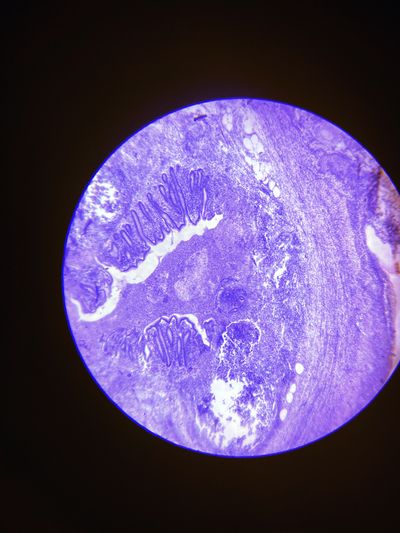 €1.190
 €1.690
 €2.990